
Radiator Still Cold? What to Check Before Winter in Sutton Coldfield
Switched the heating back on and found one room still chilly? A cold radiator does not automatically mean your boiler needs replacing. The pattern of the problem can help you decide what to check and what to tell an engineer.
For homeowners in Sutton Coldfield, including Four Oaks, Mere Green, Walmley and Wylde Green, autumn is a useful time to spot uneven heating before colder weather makes it more inconvenient.
Cold at the top: trapped air could be the cause
Worcester Bosch explains that a radiator which is warmer at the bottom but cold at the top may contain trapped air. Bleeding releases that air, but it is not the right answer to every cold radiator.
If your radiator’s instructions allow you to bleed it and you feel confident doing so, switch the heating off and let the radiator cool completely first. Follow the manufacturer’s guide, protect nearby surfaces and never remove the bleed screw. Stop if the valve is seized, damaged or leaking.
On a sealed heating system, check the pressure afterwards against your boiler’s user manual. Only top up if needed and if you understand the correct procedure for your system. Frequent pressure loss or repeated air build-up deserves an inspection.
Cold at the bottom: do not keep bleeding it
A noticeably cold lower section with a hot top can point to deposits inside the radiator. Worcester Bosch identifies sludge as one possible cause. Releasing more water through the bleed valve will not remove a build-up at the bottom.
The heating system needs assessing before deciding on cleaning or other repairs. Describe the cold patch when you book, and mention whether the same problem affects several radiators.
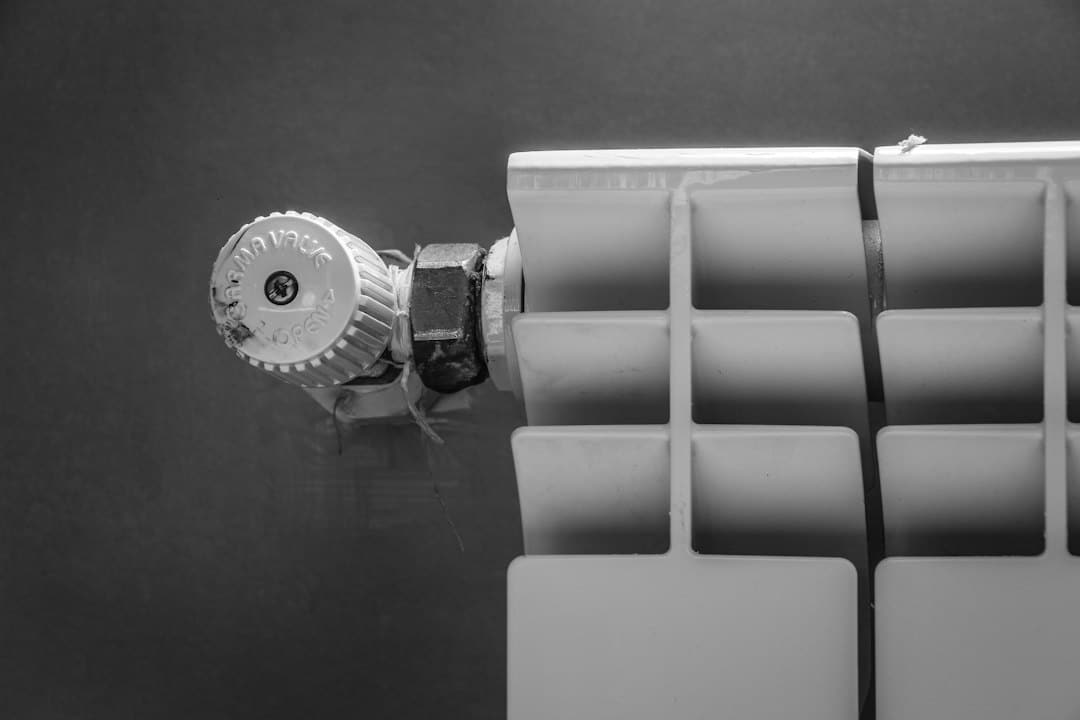
One radiator completely cold: check its normal controls
Check that the heating is actually calling for warmth and that the radiator’s normal user control is not turned off. A thermostatic radiator valve, often called a TRV, responds to the temperature around it, so a radiator may cool down when the room has reached its setting.
If the room remains cold and the radiator does not warm up after adjusting its normal control, arrange an assessment. Avoid forcing a stiff valve or dismantling it. A valve or circulation fault may need attention.
Some rooms warm quickly while others lag behind
Where certain radiators heat quickly and others remain much cooler, the system may need balancing. Vaillant explains that balancing adjusts water flow through the radiators so that each receives an appropriate share.
This is different from bleeding. Bleeding releases trapped air; balancing deals with how water is distributed. An engineer can check the system as a whole before deciding which work is appropriate.
Keep a short note of which rooms warm up first and which stay uncomfortable. That is more helpful than changing several valve settings at once and losing track of the original problem.
All radiators cold: look at the wider heating system
Check the heating schedule, thermostat setting and whether the boiler display shows a fault code. Use the appliance manual for user-level checks. Do not remove the boiler casing or attempt work on gas components.
If heating will not start, or a fault keeps returning, arrange a boiler repair assessment in Sutton Coldfield. Tell us whether hot water still works, as well as what the display says.
Book radiator repairs in Sutton Coldfield
Heatline can investigate cold radiators and explain the proposed work before proceeding. Whether the issue is confined to one room or affects heating throughout the house, start with our radiator repair service.
Call 0121 517 0585 or send an enquiry with your postcode and a brief description of the symptoms. If your boiler pressure keeps dropping, mention that when booking too.
Manufacturer guidance
- Worcester Bosch: radiator bleeding and cold spots
- Vaillant: why a radiator may not be working
- Vaillant: understanding radiator balancing
Manufacturer guidance checked on 5 October 2026.